
| B&B in favignana | Restaurants in favignana | What to do in favignana |
Favignana can easily be visited in one day from Trapani, but before planning the trip it is worth deciding what kind of experience you want. The first option is to reach the island by hydrofoil or ferry and then explore independently by bicycle, e-bike or scooter. The second is to join an organised boat excursion, which often also includes Levanzo.
These are not simply two different ways of reaching the same destination. An independent visit is ideal for travellers who want to choose their own route, stop whenever they wish and discover the island at their own pace. An organised excursion is better suited to those who prefer to board in the morning and enjoy a full day at sea without having to think about tickets, rentals, routes or timetables.
Exploring Favignana independently allows you to decide how much time to spend at the coves, in the village, among the calcarenite quarries and at the Former Florio Tuna Fishery. It is the best choice for anyone who enjoys walking, cycling and occasionally “getting lost” along the island’s roads and paths before finding their way again.
A boat excursion from Trapani, on the other hand, is mainly about experiencing the sea. Large excursion boats and vessels for small groups follow a set itinerary, stop for swimming and, in most cases, visit both Favignana and Levanzo. The choice therefore depends less on price than on the type of day you want: freedom and movement on one side, convenience and organisation on the other.
Both hydrofoils and ferries leave from the port of Trapani for the Egadi Islands. The main operators are:
The hydrofoil is the fastest option and normally reaches Favignana in about 30–40 minutes. Available departures can be checked on our page with the Trapani to Favignana hydrofoil timetable. The ferry usually takes about one hour; timetables and tickets are available on the official Caronte & Tourist website.
The hydrofoil saves time, but the ferry offers a different experience. When passengers are allowed onto the outdoor decks, the crossing becomes part of the day itself: Trapani slowly disappears behind you, the Egadi Islands gradually take shape ahead and you can feel the sea breeze on your face and the warmth of the sun on your skin. The faster, enclosed hydrofoil is mainly a means of getting there; the ferry gives you more time to enjoy the journey.
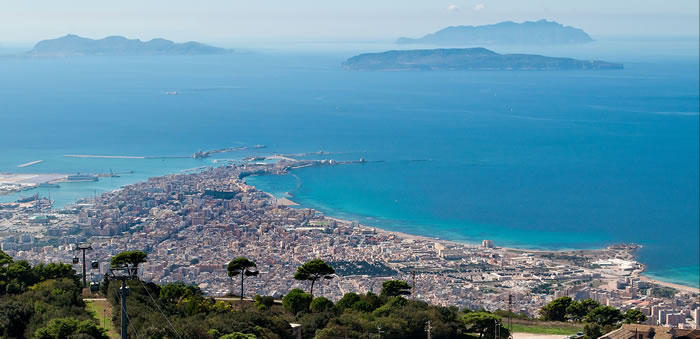
During the journey, depending on the route followed by the vessel, it may be possible to see Formica and the nearby Maraone rock. Formica is a tiny four-hectare island lying between the Trapani coast and Levanzo. It is privately owned, has been associated for decades with the Mondo X community founded by Father Eligio, and still contains the buildings of an old tuna fishery, a fortified tower with a lighthouse, the rais’s small church and a landing place.
The origin of its name is not known with certainty. “Formica” means “ant” in Italian and, according to a local tradition, the island was named after an invasion of ants attracted to the rocks by a sticky plant. Maraone lies about 600 metres away and is little more than a long rock rising above the sea. Seen from the ferry, the two islets appear tiny, but they preserve an important part of the fishing and tuna-fishery history of the Egadi Islands.
Favignana is the largest of the Egadi Islands. It covers approximately 19 square kilometres, is around 9 kilometres long and has more than 30 kilometres of coastline. It is not a huge island, but its coves and places of interest are too far apart to explore entirely on foot in a single day.
As soon as you arrive at the port, you can rent one of the following:
A bicycle is probably the means of transport that best captures the spirit of Favignana. It allows you to take secondary roads, observe the old quarries and stop whenever a path or a view catches your attention. During the hottest months, however, an e-bike helps you reach the next stop without becoming too tired, while a scooter is the best choice for anyone wishing to reduce travelling time.
To find a rental company in Favignana, it is also worth checking the banners displayed on this website: some of our advertisers are local operators offering bicycles, e-bikes and scooters. Booking in advance is advisable in July and August.
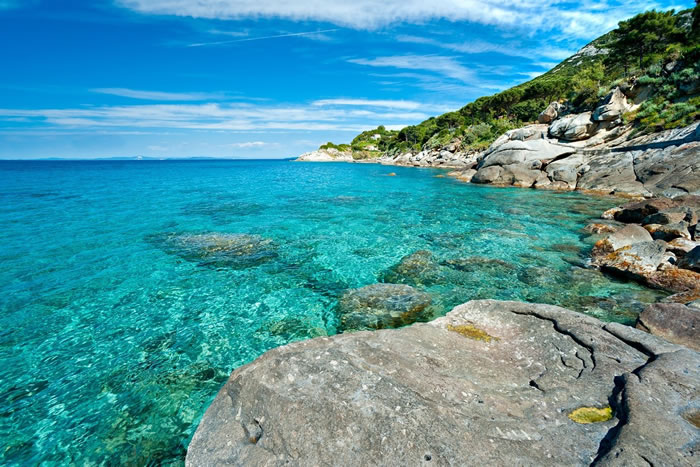
One day is not enough to discover every corner of the island. The most common mistake is trying to reach too many beaches and spending more time on the road than in the water. It is better to choose only a few stops and leave enough time for the village and the history of Favignana.
By taking one of the first crossings, you can collect your rental vehicle near the port and head towards one or two areas of the coast. Cala Rossa, Cala Azzurra, Bue Marino, Lido Burrone and Cala Rotonda are among the best-known places, but your choice should depend on the wind, sea conditions and the vehicle you are using.
The beaches are not described in detail here because we already have a dedicated guide to the beaches of Favignana, with nine options for different needs and preferences. Before leaving, it is useful to select two possible alternatives so that you can change area if the sea conditions are not favourable.
Around lunchtime, you can return to the village, walk through its squares and see Palazzo Florio, built by the family that had such a profound influence on the island’s economic and social history. For a quick lunch, you will find sandwiches, pasta dishes and many specialities based on tuna.
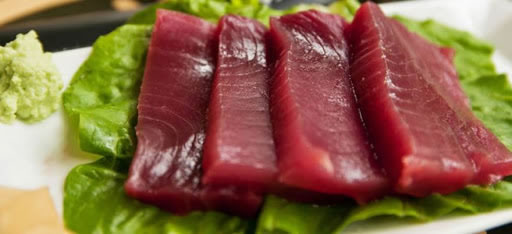
Typical flavours include busiate pasta with tuna, tuna meatballs, bottarga and bluefin tuna prepared in several different ways. Anyone in the mood for something sweet can stop for a gelato or a traditional Sicilian brioche with its characteristic “tuppo” on top.
In the afternoon, it is worth visiting the Former Florio Tuna Fishery of Favignana and Formica, the large complex overlooking the port where tuna was once processed and preserved. The museum explains the tuna fishery, the traditional mattanza, the work of the fishermen and the industrial organisation developed by the Florio family. Before adding it to your itinerary, check the current opening and guided-tour times.
Another important part of the island’s heritage can be seen in the calcarenite quarries of Favignana, which are commonly but inaccurately known as tuff quarries. For centuries, stone extracted on the island was used as a building material. Today, the excavations, tunnels and geometric walls shape much of the eastern side of Favignana, and some former quarries have been transformed into gardens and private spaces.
Before your return crossing, head back to the village with plenty of time, return your rented vehicle and walk to the port without rushing. During the busiest periods, avoid planning your final stop too far from the departure point.
The alternative to exploring independently is an excursion leaving from Trapani. Most summer trips last approximately eight hours: departure is normally between 9:00 and 9:30 a.m., with the return scheduled between 5:30 and 6:00 p.m. Times vary between operators and may change according to sea conditions.
Large excursion boats carry more passengers and generally offer an itinerary covering Favignana and Levanzo. The programme may include a few hours of free time in Favignana village, a cruise along the coast, one or more swimming stops and a short visit to Levanzo. A simple lunch on board is often included in the price, but always check exactly what the fare covers.
This is the most convenient and economical option for visitors who want to see both islands without organising their own transport. The disadvantage is that the schedule is fixed and every stop depends on the programme for that particular day.
RIB and small-boat tours for limited groups often carry approximately 10–12 passengers. Compared with a large excursion boat, they devote more time to swimming stops, snorkelling and coves that are easier to approach from the sea. Lunch, an aperitif or drinks may be included, while the amount of time available for walking around the villages may be more limited.
This option normally costs more, but provides a more intimate experience and closer contact with the sea. Before booking, check the maximum number of passengers, meals included, duration of stops on land and whether any taxes or fees must be paid separately.
Prices vary according to the month, the operator and the service selected. The table below provides approximate price ranges for summer 2026X. They are useful for comparing the options, but should always be checked when booking.
| Option | Approximate cost | What is normally included |
|---|---|---|
| Ferry or hydrofoil + bicycle | approximately €45–70 per person | Return ticket, bicycle rental and a simple lunch |
| Ferry or hydrofoil + e-bike | approximately €50–85 per person | Return ticket, e-bike rental and lunch |
| Ferry or hydrofoil + scooter | approximately €55–100 per person | Return ticket, scooter rental and lunch; two people may share the cost of the scooter |
| Large excursion boat | approximately €30–50 per person | Favignana and Levanzo, scheduled stops and often a simple lunch |
| Shared RIB or small boat | approximately €65–100 per person | Small group, swimming stops and often a light lunch or aperitif |
| Private RIB | from approximately €130–300 for the boat | Daily rental; fuel is normally excluded and a skipper costs extra |
Overall, an independent day including transport, rental and lunch may cost about the same as a mini-cruise on a large excursion boat. Small-group excursions are generally more expensive, but offer more swimming stops and a more personalised service.
It is also possible to rent a RIB exclusively in Favignana. Smaller boats may start at approximately €130 per day, but prices rise during the high season and fuel normally has to be added to the rental charge. A skipper, when requested, is an additional cost.
Some boats with limited engine power can be rented without a boating licence, provided that all legal conditions are met. However, not needing a licence does not mean that you are ready to handle a boat. Wind, shallow water, maritime traffic and the rules of the Marine Protected Area all require experience. This option is therefore suitable only for people who genuinely know the sea; everyone else should choose a boat with a skipper.
A ferry or hydrofoil combined with a bicycle, e-bike or scooter is the right choice for travellers who want freedom, wish to decide where to stop and prefer to shape the day around their own pace. It is the best way to visit for anyone who enjoys being outdoors, staying active and discovering the island without following a strict programme.
A large excursion boat or smaller boat tour is more suitable for those who want an organised, worry-free day, with the stops already planned and lunch often included. A small-group RIB is particularly suitable for visitors who want to spend most of the day in the water.
There is no single best choice. They are different experiences: on one side, the freedom to choose a road and allow Favignana to guide you; on the other, the convenience of stepping aboard and letting the sea carry you until your return to Trapani.
For monuments, coves, services and further practical information, see our complete guide to Favignana.